

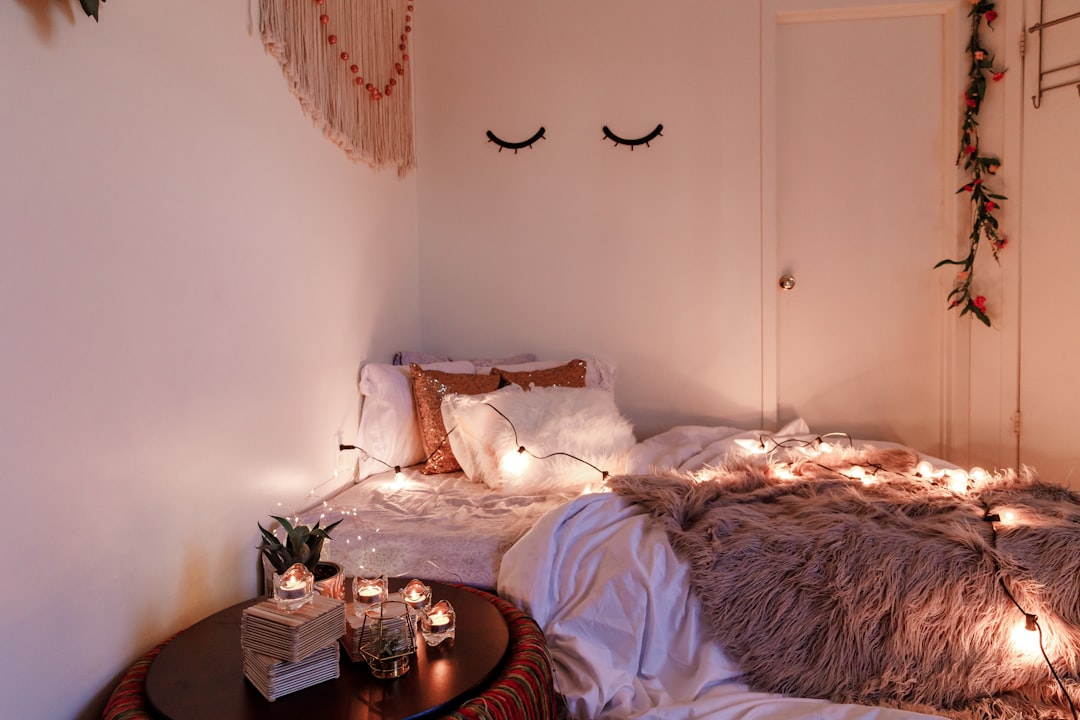
Hello lovely readers! Can we talk about bedtime for a minute? Not the actual sleeping part, but the precious hour or so leading up to it. For so long, I used to collapse into bed after a long day, my mind still racing from a million tasks. Sound familiar? I realized my bedroom had become just a place to crash, not a true sanctuary for rest.
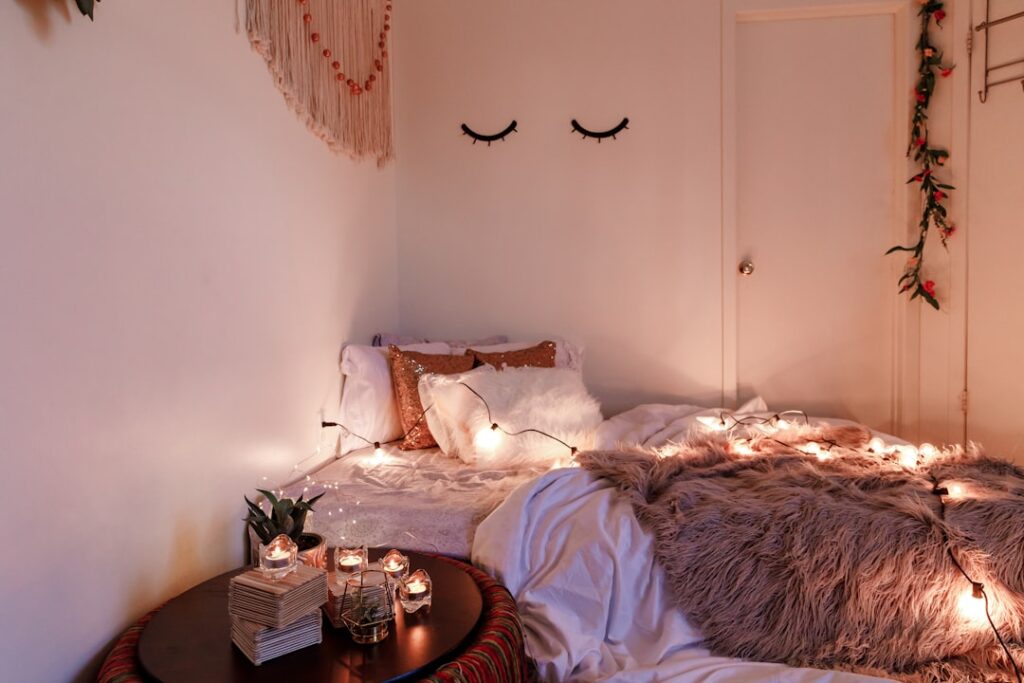
That all changed when I decided to be more intentional about my nighttime routine and my bedroom's atmosphere. I transformed my space into a peaceful retreat, and honestly, it's been life-changing. I'm sleeping better, feeling more rested, and starting my days with so much more calm energy.
Today, I want to share how you can create your own bedtime sanctuary. It's all about combining a calming routine with a beautifully peaceful environment. You don't need a huge budget or a full renovation—just a few simple shifts can make a world of difference. Let's dive in!
Your environment plays a huge role in how you feel. Before we even get to the routine, let's make sure your bedroom is set up for success. The goal is to create a space that feels instantly calming the moment you walk in.
Color has a powerful effect on our mood. While you might love a bright accent wall in the living room, the bedroom calls for softer, more muted tones. Think about colors that make you feel relaxed.
A cluttered room often leads to a cluttered mind. I know it's tempting to use that chair in the corner as a "clothes chair," but let's break that habit! A clear space helps signal to your brain that it's time to unwind.
Harsh overhead lights are the enemy of relaxation. The key is to have multiple light sources that you can adjust throughout the evening.
Now that your space is set, let's talk about the ritual. A consistent routine tells your body and mind that the day is over and it's safe to switch off.
Try to start winding down about 60 minutes before you actually want to be asleep. This gives your body time to transition from go-mode to slow-mode.
This is the most important step! The blue light from our phones and TVs can trick our brains into thinking it's still daytime.
This is where your decor choices come to life! Dim those lamps, light a candle (or use a flameless diffuser if you prefer), and maybe spritz your pillow with a lavender linen spray. These sensory cues are powerful signals for sleep.
Instead of scrolling, choose an activity that calms your mind.
You don't need to do everything at once. Sometimes, the smallest additions make the biggest difference in how a room feels.
A few framed photos or a piece of art that brings you joy can make the room feel truly yours.
Remember, creating a sanctuary is a personal journey. It's about what makes you feel calm, safe, and relaxed. Start with one or two tips from this list and see how it feels. Maybe this week, you focus on decluttering your nightstand. Next week, you commit to putting your phone away 30 minutes earlier.
Be patient with yourself. Building new habits takes time, but the reward—a truly restorative night's sleep—is absolutely priceless. Sweet dreams!
Soft, muted colors are best for sleep. Think soothing neutrals like light gray, cream, or beige, or calming shades like sage green, dusty blue, or lavender. These colors help lower your heart rate and prepare your mind for rest.
You don't need to spend a lot! Start by decluttering and rearranging furniture for a better flow. Then, focus on small changes: add a soft throw blanket, switch to warm-white light bulbs, use a linen spray, or bring in a small plant. The biggest impact often comes from free changes like creating a consistent routine.
This is a common challenge! Try charging your phone across the room instead of on your nightstand. You can also set a "phone curfew" an hour before bed and use a traditional alarm clock instead of your phone. Replacing the habit with something positive, like reading a book, makes it easier.
Instant coziness comes from texture and scent. Fluff your pillows, drape a soft knit blanket over the end of your bed, and light a candle or use an essential oil diffuser with scents like lavender or chamomile. Dimming the lights also creates a cozy atmosphere immediately.
Communication is key! Talk about what each of you finds relaxing. Compromise on a color scheme you both love. Use separate reading lamps if one of you stays up later. If space allows, create a small seating nook or separate nightstand spaces so you both feel you have your own tranquil spot within the shared room.

Hello friends, and welcome back to the blog! How did you sleep last night? If…

Hello lovely readers! Can we talk about that midday slump for a moment? You know…

Hello, lovely readers! Have you ever found yourself with a free afternoon and a sudden…


